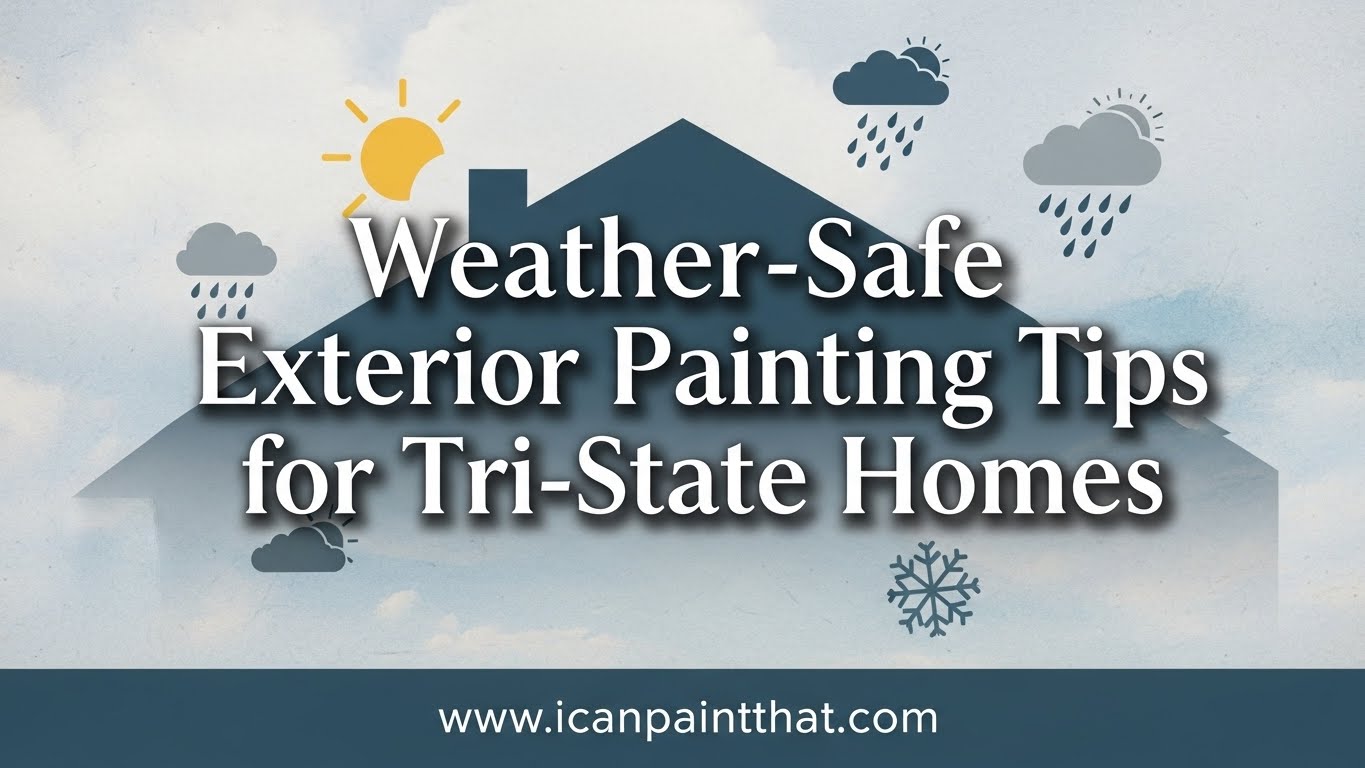
When it comes to enhancing the look of your home, few projects are as transformative as a fresh coat of exterior paint. However, homeowners in the Tri-State area face unique climatic challenges that can significantly impact the longevity and quality of their painting projects. Therefore, understanding the best practices for weather-safe exterior painting is essential. In this post, we’ll discuss various tips and techniques that every homeowner should consider before embarking on an exterior painting project. By following these guidelines, you can ensure that your paint job not only looks great but also stands the test of time.
Understand the Weather Patterns
To begin with, it’s vital to understand the weather conditions in your region. The Tri-State area experiences four distinct seasons, including hot summers, cold winters, and everything in between. This variability can affect how and when you should paint your home. For example, painting during humid summer months can lead to improper drying and extended curing times.
On the other hand, winter poses a different set of challenges; freezing temperatures can compromise the effectiveness of paint adhesion. Consequently, selecting the right season for your project is crucial. Typically, late spring and early fall are considered optimal times for exterior painting in this region due to mild temperatures and lower humidity levels.
Choose the Right Paint
Another essential factor to consider is the type of paint you choose. Not all paints are created equal, and some are designed to withstand specific weather conditions better than others. When searching for the right paint, look for products labeled as “weather-resistant” or “seasoned” to ensure they are formulated to endure the challenges of Tri-State weather.
Acrylic latex paints are often the best choice for exterior surfaces, as they offer excellent adhesion, flexibility, and resistance to fading and mildew. However, if you are working with wood surfaces, opting for specialized exterior paints will enhance durability and longevity.
Preparation Is Key
Preparation is a critical step in the painting process that should never be overlooked. Before applying paint, take the time to clean and prime surfaces properly. This step will not only improve paint adhesion but also prevent moisture penetration that can lead to peeling and cracking.
Begin with scraping off old, flaking paint and sanding the surface for a smooth finish. Next, wash the surfaces using a pressure washer or a simple hose and scrub. After allowing the area to dry thoroughly, applying a high-quality primer can significantly enhance the paint’s performance. This preparation will pay dividends in the long run, especially when exposed to the temperamental weather of the Tri-State region.
Plan Your Timing and Monitoring
When planning your exterior painting project, timing is just as important as preparation. Ideally, aim for a period of at least two to three dry days when temperatures are consistently above 50°F. Moreover, checking the weather forecast in advance can help you avoid unexpected rain or harsh winds.
Once you begin painting, keep an eye on the local weather conditions throughout the day. Ideally, you should refrain from painting in direct sunlight, as this can cause the paint to dry too quickly and may lead to issues such as blistering or bubbling. Thus, early morning or late afternoon is often the most favorable time to apply paint.
Utilize Proper Techniques
The way you apply the paint can also influence the outcome of your project. When using a brush or roller, make sure to implement even strokes for a uniform finish. In contrast, spraying can offer quicker application but may require more skill to achieve an even coat.
Throughout the process, ensure you are applying multiple thin coats rather than a single thick one. This approach improves drying time and allows each layer to bond adequately, thereby enhancing the durability of your paint job. In addition, be cautious of drips and runs, especially when the weather is warm; they can occur when the paint dries too quickly.
Consider Protective Finishes
Applying a protective finish can be a wise decision, particularly in an area where extreme weather conditions are common. Sealants and topcoats can add an additional layer of protection against UV rays, rain, and temperature fluctuations. Furthermore, they can help in emphasizing the color and sheen of your paint, making it more visually appealing.
Utilizing a two-component polyurethane or an acrylic sealant can go a long way in prolonging the lifespan of your exterior paint job. It’s best to consult with experienced painting contractors to determine the best type of protective finish for your needs.
Maintain Your Exterior After Painting
Once your exterior painting project is complete, ongoing maintenance is vital to preserving its appearance and longevity. Regularly inspect your home’s siding, trim, and other painted surfaces for signs of wear, such as fading, peeling, or blistering.
If any issues arise, address them promptly to prevent further damage. Simple tasks, like washing the exterior once a year and ensuring gutters are free of debris, can help maintain your home’s freshly painted look while reducing the frequency of full repaints.
Seek Professional help
Lastly, while many homeowners might be inclined to tackle exterior painting themselves, hiring professional painters can lead to better results. Experienced best painters have the knowledge, tools, and skills to manage potential challenges specific to the Tri-State area. They can also provide valuable insights on the right materials and techniques, saving you both time and effort in the long run.
Moreover, professional contractors are equipped to handle the intricate details that can often make or break a paint job, such as caulking, priming, and using quality products that ensure durability against harsh weather conditions.
Conclusion
In conclusion, weather-safe exterior painting requires thoughtful planning and execution, especially for homes in the Tri-State area. By understanding local weather patterns, selecting the right paint, preparing surfaces, timing your project wisely, employing effective techniques, utilizing protective finishes, and considering professional help, you can achieve a beautiful and long-lasting exterior paint job.
Investing time in these weather-safe painting tips not only enhances your home’s curb appeal but also protects it from the elements, ensuring it remains a sanctuary for years to come. Whether you’re looking for advice or need the expertise of seasoned painting contractors, you are setting your project up for success.