
Bare concrete stains, dusts and soaks up oil, road salt and moisture. An epoxy coating seals the slab under a hard, glossy surface that wipes clean and brightens the whole room, whether it is a home garage, a basement or a busy shop floor.
Most of the work is in the preparation. We grind or profile the concrete, repair cracks and pits, and then build the coating in layers so it bonds to the slab instead of peeling up under hot tires.
Garage floors take hot tires, dripping oil and winter salt. A properly bonded epoxy system resists hot-tire pickup, wipes clean and makes the space feel finished. Decorative flakes add texture and hide dust between cleanings.
A coated basement floor is easier to clean, brighter and less dusty than raw concrete. We check for moisture first, since a slab that is wicking water needs the right primer or system before any coating goes down.
Workshops, showrooms and light-industrial floors need a coating that handles carts, foot traffic and spills. We can add safety lines and color zones and schedule the work around your operating hours.
Bare concrete slowly sheds a fine gray dust that gets tracked into the house and settles on everything stored in the garage. A coating locks the surface down, so the floor can be swept or mopped clean.
Oil, brake fluid, road salt and fertilizer soak straight into unsealed concrete. On a coated floor they sit on the surface and wipe away. That makes a real difference in a working garage or shop.
A light, glossy floor reflects the lighting you already have. Garages and basements feel larger and it is easier to find a dropped screw or see what you are working on.
Smooth coatings can be slippery when wet. We can add a fine anti-slip texture to the top coat near doors, steps and wash areas so the floor is safer underfoot without being hard to clean.
Most peeling epoxy floors share one cause: the coating was rolled onto smooth, dirty or damp concrete. Store-bought kits rarely include proper surface profiling, so the epoxy sits on top of the slab instead of gripping it.
Our process opens the surface so the coating can bond, and we never skip the moisture check.
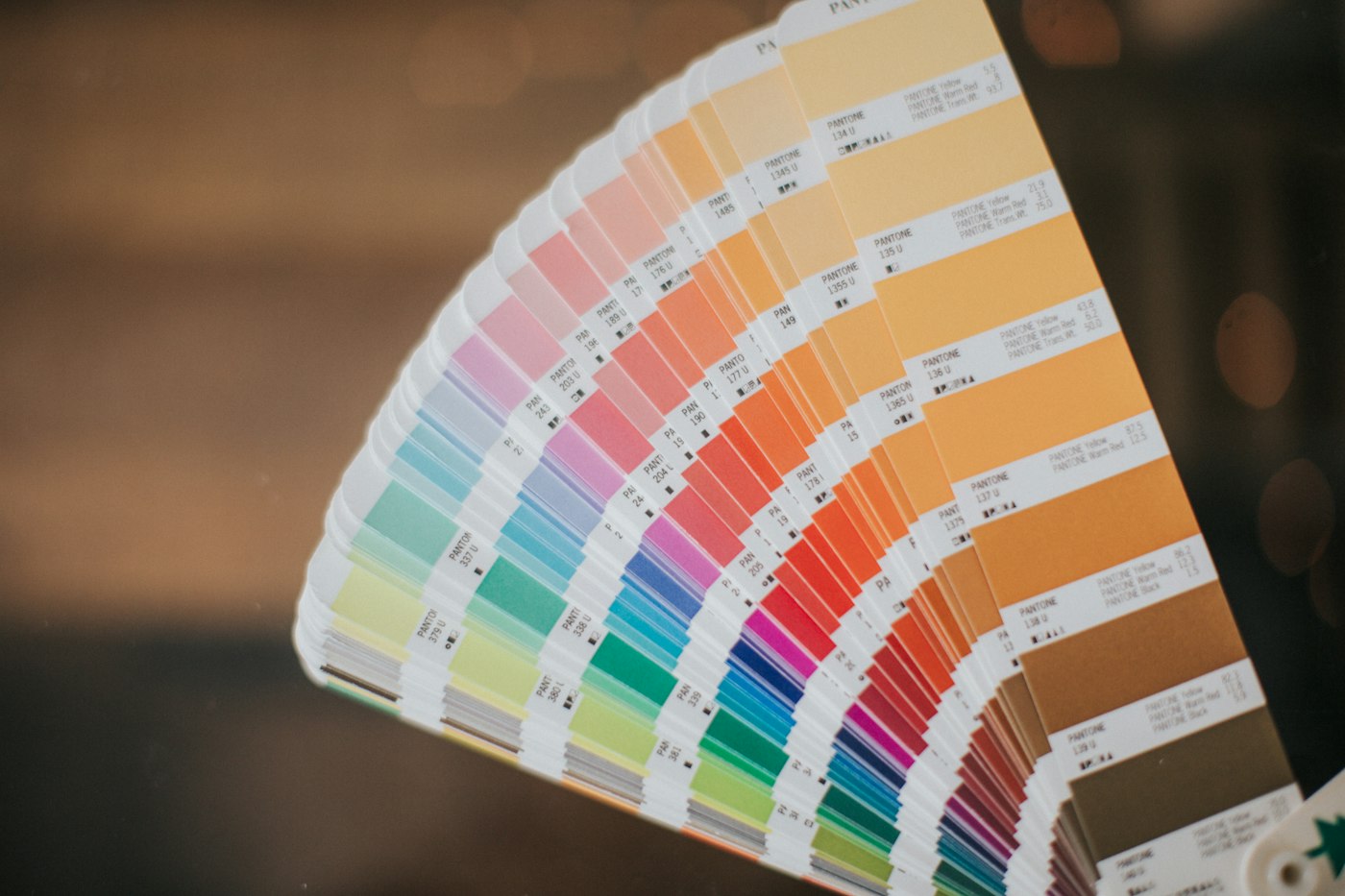
Solid colors give a clean, uniform look. Flake blends add texture and hide dust. A clear sealer keeps the natural concrete appearance while still protecting it from stains.
A soft broom and an occasional mop with mild cleaner is all most floors need. Avoid soap-based cleaners that leave a film.
Use pads under jack stands and heavy tool chests, and lift heavy items instead of dragging them across the floor.
Road salt will not harm the coating, but rinsing it away keeps the gloss even and stops white residue building up.


 Trustindex verifies that the original source of the review is Google.
 Trustindex verifies that the original source of the review is Google.
 Trustindex verifies that the original source of the review is Google.
 Trustindex verifies that the original source of the review is Google.
 Trustindex verifies that the original source of the review is Google.

 Trustindex verifies that the original source of the review is Google.
 Trustindex verifies that the original source of the review is Google.
 Trustindex verifies that the original source of the review is Google.
 Trustindex verifies that the original source of the review is Google.
Durability, timing and cost are the usual questions. If yours is not here, give us a call.
A professionally prepared and installed floor commonly lasts ten years or more in a home garage. Life depends on the prep, the thickness of the system and how the floor is used.
Hot-tire lifting is nearly always a prep or product problem. Thin kit coatings rolled onto smooth concrete are the usual cause. We grind the slab and use a professional system so the coating bonds into the concrete.
Yes, in most cases. Cracks and pits are filled and ground level before coating. Cracks that are still moving may show again over time, and we tell you if we see signs of that.
Usually several days. We give you exact cure times for the system used.
Moisture coming up through a slab can push a coating off. We test for it before quoting. If the reading is high, we recommend a moisture-tolerant primer or a different approach instead of coating and hoping.
Call +1 812-625-3410 or book online. We look at the slab, measure the space and send a clear written price.
Tell us about your garage, basement or shop. We will check the slab and send a clear written price for the right system.
