
Sun, rain and humidity turn a deck gray, splintered and slick faster than most homeowners expect. Cleaning and staining it on a regular schedule protects the wood, brings back its color and keeps it safe and comfortable to use.
We clean or strip old finish, brighten the wood, make small repairs and apply a quality stain matched to your deck and how much sun it gets, so it looks good and lasts through the seasons.
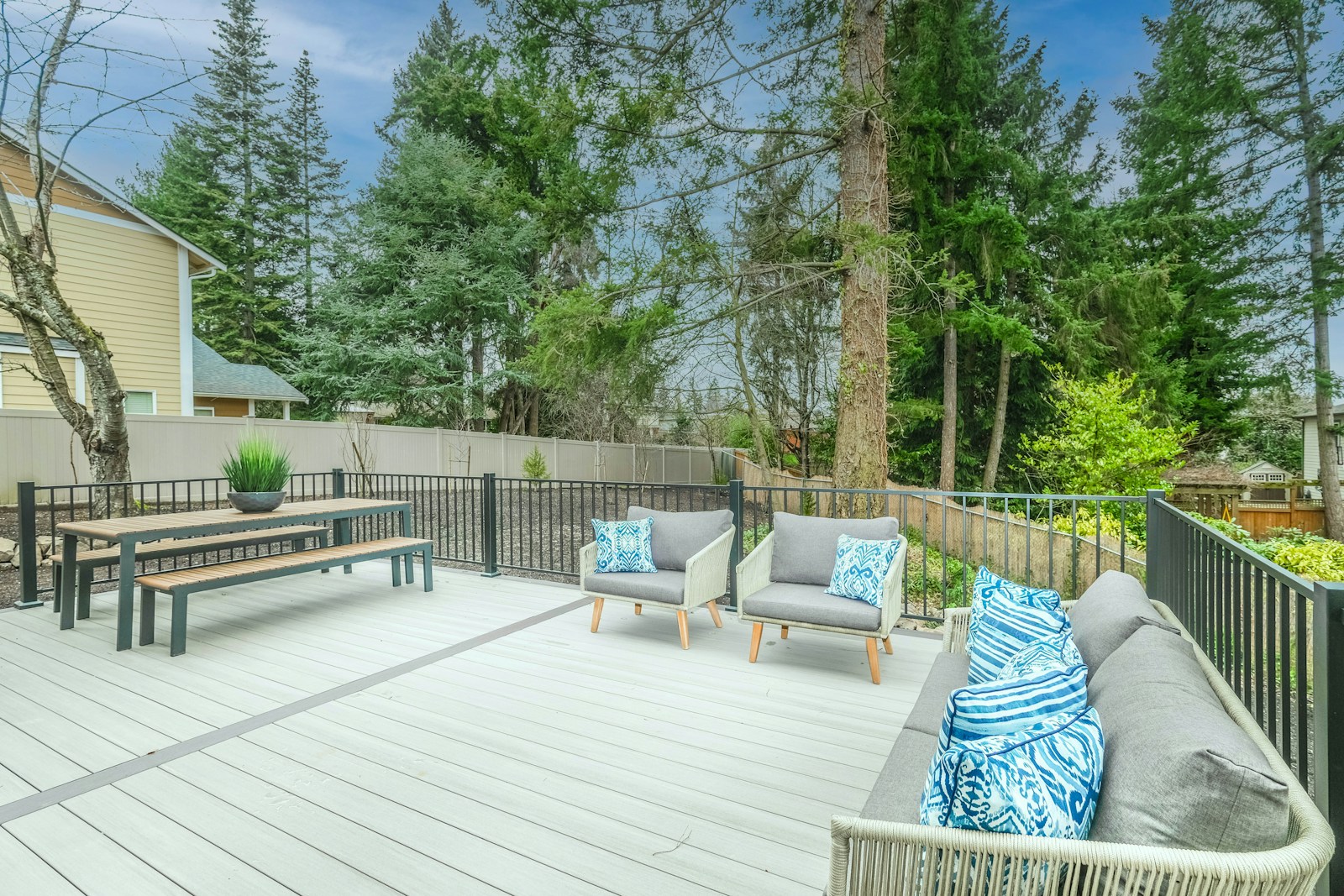
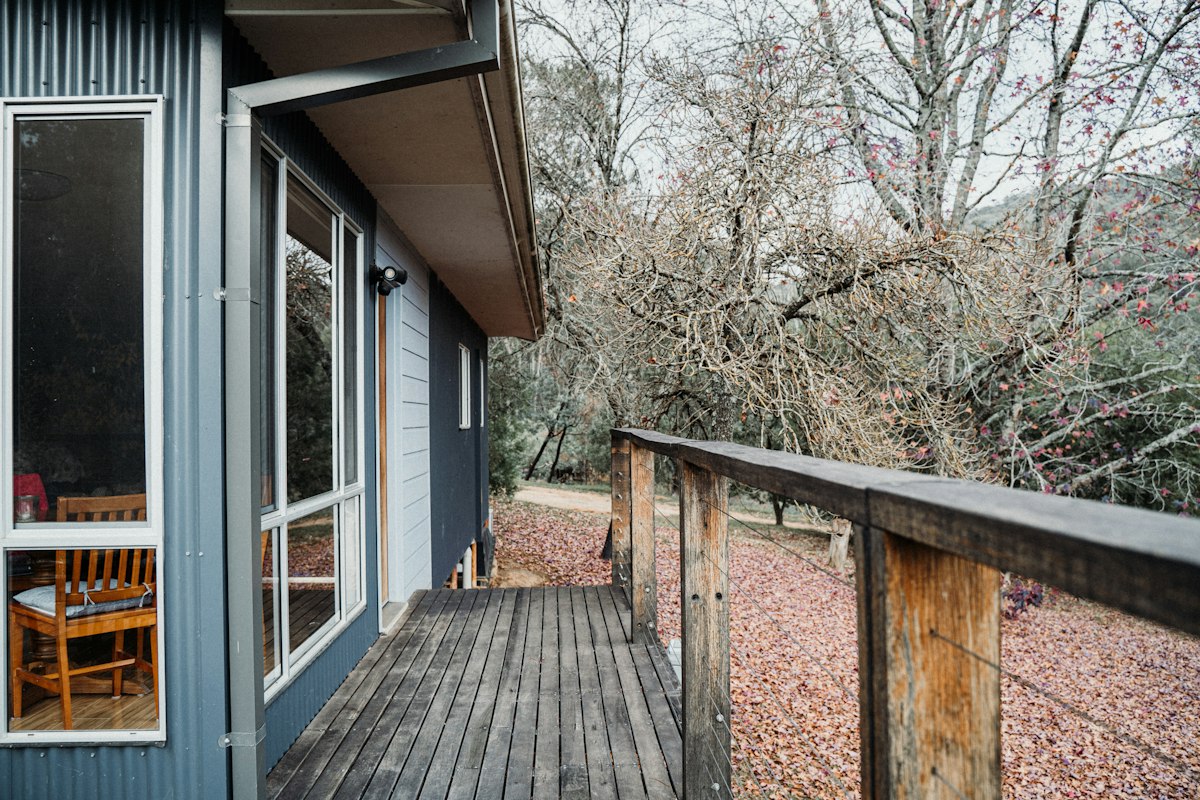

Your deck is where summer evenings happen. We restore weathered decks, refresh ones that are just starting to fade and seal new decks once the wood is ready, including boards, railings, steps and lattice.
Warm, damp air through the summer keeps deck boards from drying fully, especially on the shaded side of the house. Green and black growth takes hold in the grain and makes the surface slick. A proper cleaning removes it, and a quality stain slows its return.
Flat boards hold rain in low spots, around planters and where leaves collect. The wood stays wet long after the rest of the deck has dried, and that is where soft spots begin.
The parts of a deck in full sun fade and dry out first. Boards cup and small cracks open along the grain. Pigmented stains protect against this far better than clear products.
Water that has soaked into the wood expands when it freezes. Over several winters this loosens fasteners and widens cracks. Keeping the deck sealed means there is less water in the wood to freeze.
Stain only lasts when it soaks into clean, open wood. Skipping the cleaning step is why many decks peel within a year. Our process prepares the surface first.
Shows the most grain. Best on newer wood, but needs recoating more often.
A balance of color and grain with good UV protection. The most popular choice for decks.
Covers like paint while letting wood breathe. Good for older decks with uneven color.
Most decks around Mt Vernon are built from treated pine. It resists rot but still cracks and grays without stain. New treated lumber is wet from the factory and needs time to dry before it will take a finish.
Boards that have weathered for years are often rough and uneven in color. Cleaning, brightening and sanding the worst areas give the stain an even surface to soak into.
Cedar has natural oils and a warm color that many owners want to keep. A toner or semi-transparent stain protects it while letting the grain show. It benefits from gentle cleaning at lower pressure.
Composite decking does not take stain, but wood rails, posts and stairs attached to it still do. We clean the composite surface and stain the wooden parts.
Most decks need fresh stain every few years, sooner for horizontal boards in full sun. Regular care costs far less than replacing gray, cracked boards later.


 Trustindex verifies that the original source of the review is Google.
 Trustindex verifies that the original source of the review is Google.
 Trustindex verifies that the original source of the review is Google.
 Trustindex verifies that the original source of the review is Google.
 Trustindex verifies that the original source of the review is Google.

 Trustindex verifies that the original source of the review is Google.
 Trustindex verifies that the original source of the review is Google.
 Trustindex verifies that the original source of the review is Google.
 Trustindex verifies that the original source of the review is Google.
Here are the things Mt Vernon homeowners ask most. Call us with anything else.
Most decks in Mt Vernon need restaining every two to three years. Shaded, damp decks and boards in full sun both wear faster than average, so we check the condition before recommending a schedule.
Usually not. New pressure-treated lumber needs to dry, often for several weeks or longer, before stain will soak in. We test the wood and tell you when it is ready.
Yes. Failing stain is stripped or sanded off so the new coat can soak into clean wood. Staining over a peeling finish only delays the problem.
Usually light use after about a day. We give exact times for your stain.
Yes. Rails, balusters, steps and skirting are included in the estimate along with the deck boards, so the whole deck matches.
Call +1 812-625-3410 or book online. We inspect the deck and send a clear written price.
Tell us about your deck. We will inspect it and send a clear written price.
