How to Paint Textured Walls Like a Professional
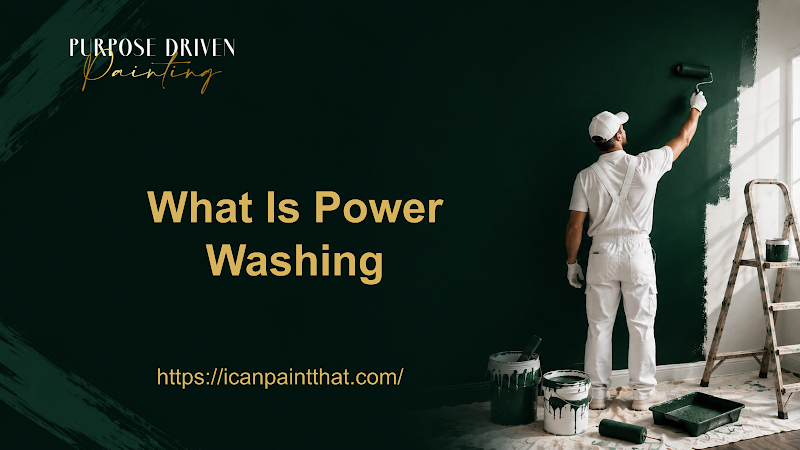
Painting textured walls can seem like a daunting task, but with the right techniques and materials, it can be achieved with remarkable results. Whether you are updating your home’s interior or transforming a commercial space, learning how to properly paint textured walls will not only enhance the beauty of your environment but also elevate your DIY skills. In this guide, we will walk you through the essential steps needed to paint textured walls like a pro.
Understanding Textured Walls
Before diving into the painting process, it’s important to understand the different types of textured walls. Textured walls can vary from lightly stippled surfaces to heavily textured designs such as knockdown or popcorn ceilings. The texture type will dictate the methods and tools you will use. Therefore, identifying the texture type will help you in planning your painting project effectively.
Gathering the Right Tools and Materials
To begin, it’s imperative to gather the necessary tools and materials. Here’s a comprehensive list for your wall painting project:
| Tools | Purpose |
|---|---|
| Painter’s Tape | To protect edges and ensure clean lines |
| Rollers with Thick Nap | To accommodate and reach into textured surfaces |
| Brushes | For cutting in and detailing |
| Paint Tray | For easy access to paint |
| Drop Cloths | To protect floors and furniture from paint splatters |
In addition to tools, choosing the right paint is critical. For textured walls, opt for a high-quality latex paint designed for interiors. Also, consider paint with a satin or eggshell finish; these finishes will reflect light optimally while still covering imperfections.
Preparing the Surface
Preparation is key to achieving a professional finish. Start by cleaning the walls to remove any dust or grease that may hinder paint adhesion. You can do this with a mild detergent and water. After washing, allow the walls to dry completely.
Next, inspect the textured walls for any cracks or imperfections. If you find any, fill them with a quality wall filler and sand it down until smooth. After sanding, wipe down the area to remove any dust created during this process. This initial preparation phase is crucial to ensure the paint adheres properly and lasts longer.
Using Painter’s Tape
Once the walls are clean and repaired, it’s time to tape off areas where you do not want paint. This includes trim, doors, and ceiling edges. Apply painter’s tape carefully, making sure it adheres firmly to the surface to prevent any paint from seeping through.
Take your time with this step, as clean lines are essential for a professional finish. A good tip is to burnish the edge of the tape with a putty knife to ensure that it’s well-sealed.
Choosing the Right Painting Technique
The technique you choose can make a significant difference in the outcome when painting textured walls. Below are a couple of effective techniques:
- Rolling: Use a roller with a thick nap to ensure that the paint penetrates the grooves of the texture. Start from the top and work your way down.
- Brushing: For corners and edges, a brush is essential. Use a high-quality brush to carefully apply paint where a roller cannot reach.
Additionally, when using a roller, use long, even strokes and don’t overload the roller with paint. Instead, work in sections and allow each area to dry before tackling the next.
Applying the Paint
Begin the painting process by cutting in with a brush along the edges. This involves painting a border around areas taped off, such as corners and trim. Use a ladder if necessary for higher areas, ensuring that you maintain steady footing.
After cutting in, it’s time to use the roller. Dip the roller into the paint tray, roll it along the tray’s ridges to remove excess paint, and apply it to the wall. Use a ‘W’ or ‘M’ motion to distribute the paint evenly. This not only ensures even coverage but also helps in blending the textured areas seamlessly.
Applying Multiple Coats
Depending on the initial color of the walls and the new paint color, you may need to apply multiple coats. In most cases, two coats are sufficient for a vibrant, rich color. Always allow the first coat to dry completely before applying the second coat. This typically takes a few hours, but check the manufacturer’s guidelines for specific drying times.
Finishing Touches
Once you’ve applied the final coat of paint, carefully remove the painter’s tape while the paint is still slightly wet. This prevents the tape from pulling off any dried paint and ensures clean edges.
After the paint has dried completely, examine your work for any touch-ups that may be necessary. Keep some of the paint on hand for any future repairs. Professional painters often recommend viewing the wall from different angles to ensure an even finish across the textured areas.
Cleaning Up Properly
After your painting project is complete, cleaning up is crucial. Properly dispose of any unused paint, and clean your brushes and rollers with warm, soapy water. Make sure to remove any drops of paint from floors and furniture before they dry.
Moreover, store leftover paint in a cool, dry place for future use. Label the cans for easy identification later on. This way, you can avoid mismatched touch-ups in case repairs are needed.
Conclusion
In conclusion, painting textured walls like a professional is entirely achievable with the right approach. By following these guidelines — from preparation to application and clean-up — you can transform your textured walls into a beautiful feature of your space. If you feel overwhelmed or if the scale of the project is significant, don’t hesitate to reach out to the Best Painters for assistance. Skilled painting contractors can make the process seamless and ensure stunning results. Happy painting!