
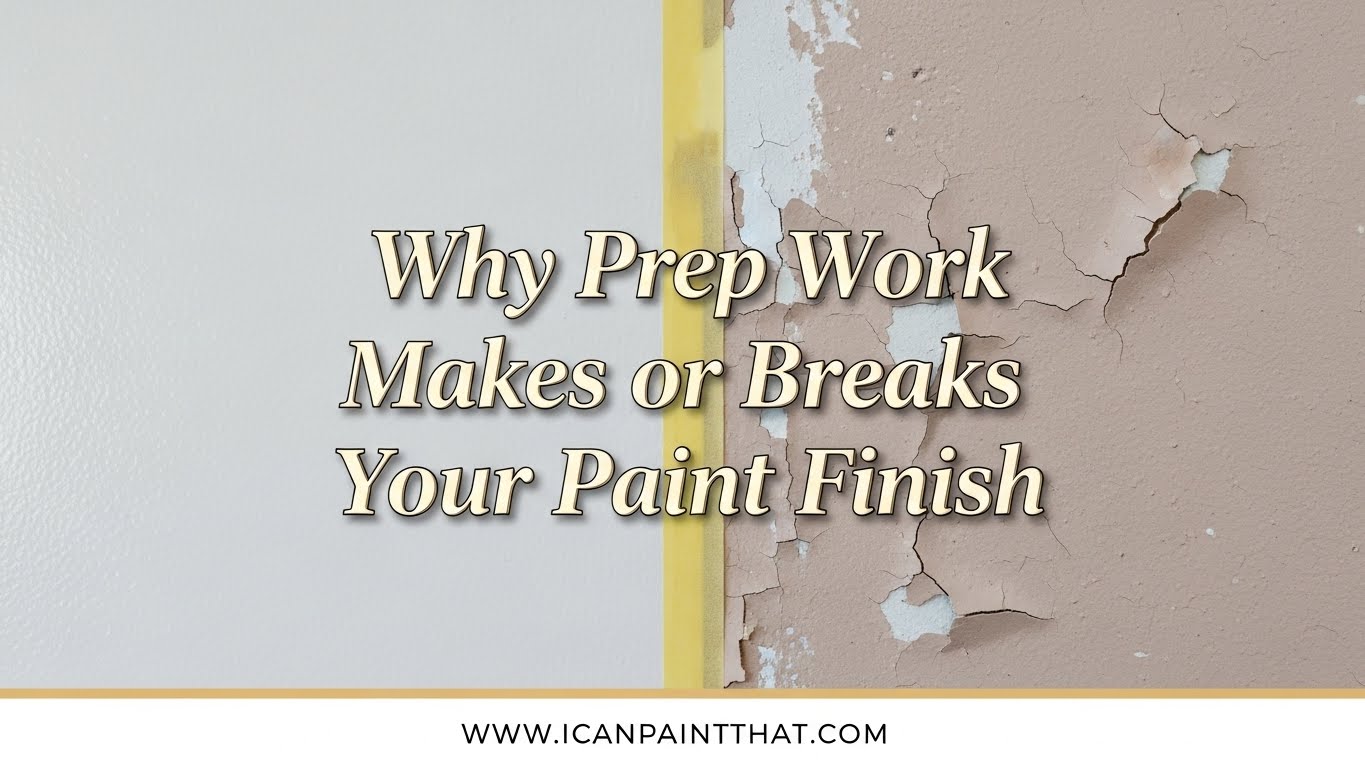
When it comes to achieving a flawless paint finish, the importance of preparation work cannot be overstated. In fact, prep work is often the deciding factor between a professional-looking finish and a paint job that leaves much to be desired. From cleaning surfaces to filling in imperfections, the proper prep steps lay the groundwork for a high-quality outcome. In this blog post, we will explore why thorough preparation is essential and how it can significantly impact your painting results.
The Fundamentals of Paint Preparation
Before diving into any painting project, it’s crucial to understand the fundamental aspects of paint preparation. Initially, you should assess the condition of the surface you plan to paint. Whether it’s walls, furniture, or other fixtures, each surface presents unique challenges. For instance, uneven surfaces may require sanding, while dirty walls will need a thorough cleaning. Thus, taking the time to understand what your specific project needs is the first step toward ensuring success.
Cleaning the Surface: The First Step
Cleaning the surface is arguably one of the most important steps in prep work. Dust, grease, and grime can hinder the adhesion of paint, leading to peeling or blistering finishes. Therefore, using a suitable cleaner, such as a trisodium phosphate (TSP) solution, is recommended for optimal results. Additionally, you should rinse the area thoroughly to remove any soap residue. By ensuring the surface is squeaky clean, you set the stage for paint to adhere effectively.
Sanding for Smoothness
Sanding plays an essential role in achieving a smooth paint finish. While it may seem like an optional step, neglecting it can result in a textured look rather than the sleek finish you desire. Use sandpaper or a sanding block to smooth out any rough areas, and don’t forget to pay attention to corners and edges. In situations where you are applying paint over another painted surface, sanding ensures that the new paint can grip effectively. Ultimately, this step shouldn’t be overlooked.
Filling Gaps and Imperfections
Another vital aspect of prep work involves addressing gaps and imperfections on the surface. Whether it’s nail holes, cracks, or dents, failing to fill these flaws can lead to an unsightly finish. You can use painter’s putty or spackle to smoothen out these blemishes. Once the filler has dried, be sure to sand the area flush with the surrounding surface. This attention to detail creates a perfect canvas for your paint and enhances the overall appearance.
Patching and Priming: A Necessary Step
Patching and priming might seem like additional steps, but they are, in fact, critical components of prep work. Primer serves several purposes, such as enhancing paint adhesion and ensuring a uniform finish. Moreover, it can reduce the number of paint coats needed, saving you both time and materials. For surfaces that have never been painted before or are drastically different in texture, applying a primer is a must. This way, you can achieve the best results possible.
The Right Tools Make a Difference
Having the right tools at your disposal is a crucial factor that can affect your preparation process. Invest in high-quality brushes, rollers, and other painting tools that will facilitate even application and help in creating a smooth finish. Furthermore, utilizing drop cloths and masking tape can protect surrounding areas and ensure neat edges. Good tools not only make the work easier but also enhance the quality of your results.
Taking Time to Prepare
In today’s fast-paced world, it’s easy to rush through prep work. However, taking the necessary time to prepare can greatly influence your paint finish. Quick fixes may seem tempting but often lead to future complications that could require additional time and effort to correct. Thus, setting aside adequate time for surface preparation will pay off in the long run. Patience during this phase translates into an enduring, beautiful finish.
Common Mistakes to Avoid
| Common Mistakes | Description |
|---|---|
| Skipping Cleaning | Not cleaning surfaces can lead to paint failure. |
| Neglecting Sanding | Failing to sand can cause a rough finish. |
| Overlooking Filler Use | Not filling imperfections results in uneven surfaces. |
| Using Inadequate Primers | Skipping primer can lead to uneven color and adhesion issues. |
| Rushing the Process | Hurrying through preparation leads to multiple touch-ups later. |
Why Hiring a Professional Can Help
If the thought of undertaking a painting project seems overwhelming, you might want to consider hiring Best Painters or experienced Painting Contractors. Professionals understand the importance of prep work and are equipped with the necessary tools and techniques. They also know how to address specific issues with various surfaces, ensuring that your paint finish turns out impeccable. Ultimately, hiring a Painting Company not only saves you time but also ensures a high-quality, long-lasting finish.
Conclusion
In summary, the preparation process is fundamental to achieving a high-quality paint finish. From cleaning to sanding and filling to priming, each step serves a specific purpose that contributes to the overall look and longevity of your paint job. By taking the time to prepare properly, you can avoid common pitfalls and ensure that your finished product is both beautiful and lasting. So, whether you decide to tackle your project yourself or enlist the help of professionals, remember: prep work truly makes or breaks your paint finish.
If you’re looking for a reliable and efficient team for your painting needs, don’t hesitate to contact us at this Painting Company. Our skilled Painting Contractors are ready to help you achieve the flawless finish you desire.