
How to Successfully Remove Paint from Cabinets: A Professional Guide
Understanding the Current Paint Type: Latex or Oil-Based?
The first step in removing paint from cabinets is identifying the type of paint currently on the surface. This knowledge impacts the removal process.
Latex-based paint is water-soluble and generally easier to remove than its oil-based counterpart, which is durable but requires stronger methods.
A simple test can determine the type: rub a small area with rubbing alcohol and a cloth. If the paint comes off, it’s latex. If not, it’s most likely oil-based. Understanding this distinction will guide your selection of removers or strippers.
Gathering Your Materials and Tools
- Paint stripper (preferably eco-friendly)
- Plastic or metal scraper
- Drop cloths to protect floors
- Protective gear: gloves, goggles, masks
- Sanding sponge or sandpaper (medium to fine grit)
- Adhesion primer and new paint (if re-painting)
Always prioritize safety when working with chemical strippers; the right protective gear is essential. In choosing a paint remover, eco-friendly options can mitigate environmental impact while still effectively breaking down paint.
Step-by-Step Paint Removal Process
Step 1: Prepare the Area
Start by removing all cabinet doors and hardware to make the process more manageable. Lay out drop cloths to safeguard your floors from debris and chemical spills. Proper ventilation is crucial, especially in enclosed spaces, so ensure windows are open or fans are in use.
Step 2: Apply Paint Stripper
Utilizing an eco-friendly paint stripper, apply uniformly across the cabinet surface. Follow manufacturer’s instructions for duration, as strippers may vary in how long they require to soften the paint. In states with high humidity, like Florida, it might take longer for strippers to work due to the moisture levels.
Step 3: Scrape Away the Old Paint
Once the paint has visibly softened, use a plastic or metal scraper to remove it. Focus on maintaining a consistent, gentle pressure to prevent surface damage. For hard-to-reach areas, a smaller detail scraper can be invaluable.
Step 4: Sand Smooth
With most paint removed, use a sanding sponge or fine-grit sandpaper to smooth the surface, eliminating remnants and preparing the cabinet for any future coatings. This step enhances paint adhesion if you plan to repaint.
Step 5: Clean and Prep for Refinish (Optional)
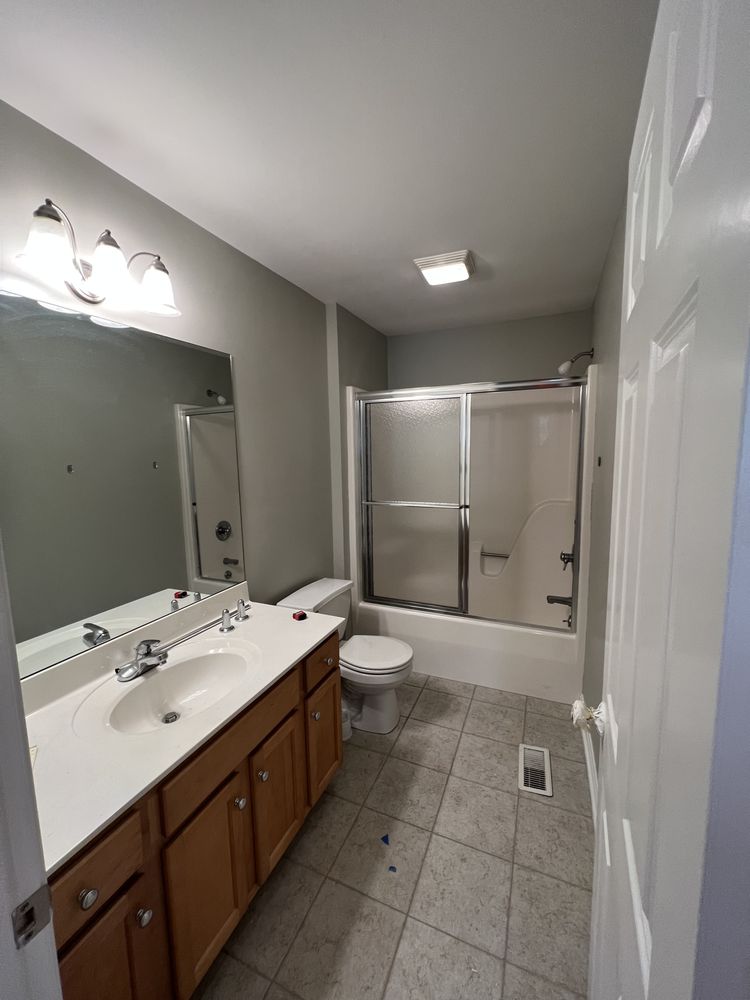
Finish by thoroughly cleaning the cabinet surfaces to remove any dust or residue. If repainting, applying an adhesion primer will fortify the bond between the surface and the new paint. For cabinets in areas prone to moisture, such as bathrooms, selecting a paint finish like satin or semi-gloss will provide superior moisture resistance.
Final Thoughts
Mastering the art of paint removal can revitalize your cabinetry and breathe new life into your home. While this task may seem daunting, the precise application of techniques can make all the difference. If you’re uncertain or if your cabinetry requires a professional hand, consider reaching out to Purpose Driven Painting LLC. Our seasoned experts are committed to guiding you through each step with our extensive know-how in residential and commercial innovations.
Ready to embark on your next painting project? Contact Purpose Driven Painting LLC for a consultation or for more information on our services across the U.S.